
By: The Coastal Pet Products Staff
Client interest in leash training cats continues to grow, driven by enrichment goals, urban living, and a desire for safe outdoor access. For professional trainers, success hinges on applying feline‑specific behavioral principles, managing expectations, and selecting equipment designed for feline anatomy.
Start with Suitability, Not Assumptions
Not every cat is an ideal leash-training candidate. Trainers should assess confidence, curiosity, and stress tolerance before recommending outdoor work. Leash training should be framed as optional enrichment, never a required skill or behavioral solution.
Equipment Matters More Than Ever
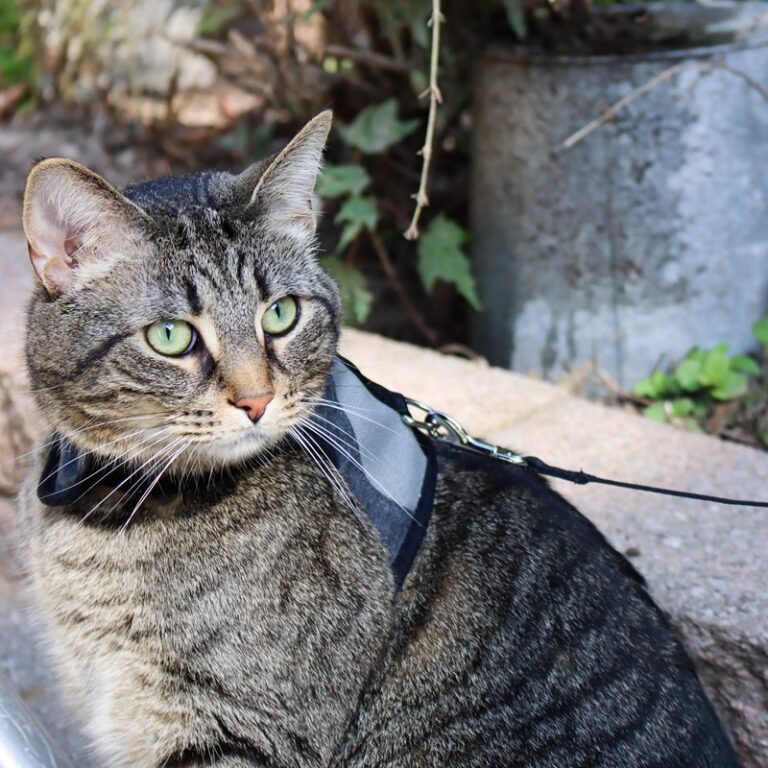
Escape prevention and comfort are non‑negotiable. Trainers should recommend harnesses engineered specifically for cats – never scaled dog gear.
Coastal Pet Products’ harness options designed for feline fit and safety include:
- Coastal® Adjustable Cat Wrap Harness with 6’ Leash
- Coastal® Figure “H” Adjustable Cat Harness with 6’ Leash
- Comfort Soft Adjustable Cat Harness with 6’ Leash
- Li’l Pals® Adjustable Kitten Harness and 6’ Leash Combo
- Size Right Snag-Proof Adjustable Cat Harness
Proper fit checks and client education on feline flexibility are essential to prevent escapes. Use Coastal’s cat sizing guide for reference on proper fit.
 Use a Phase-Based Training Approach
Effective protocols prioritize comfort and choice:
1. Harness Acclimation (Indoors): Short, positive sessions paired with reinforcement. Remove the harness before stress escalates.
2. Leash Introduction (Indoors): Allow leash drag under supervision; avoid tension and directional pressure.
3. Controlled Outdoor Exposure: Start with enclosed or quiet spaces. Duration should be brief, predictable, and end calmly.
4. Trainers should emphasize that the handler follows the cat—not the other way around.
Recognize Stress Early
Clients benefit from clear coaching on feline stress signals, including freezing, tail flicking, flattened ears, or attempts to retreat. When stress appears, sessions should end immediately. Forcing progress can create setbacks that outweigh any perceived gains.
Redefine “Success” for Clients
Most cats will not walk distances like dogs, and that’s okay. Stationary observation, short explorations, or brief outdoor exposure may represent optimal outcomes. Welfare, not performance, is the benchmark.
Professional Takeaway
Leash training, when ethically applied, can expand a cat’s enrichment options and strengthen client trust in professional guidance. When it isn’t appropriate, helping clients understand why is just as valuable and reinforces your role as a welfare-first expert.

