
By: The ABC Staff
Across the country, the demand for highly trained service dogs continues to grow, and with it, the need for knowledgeable, compassionate trainers who understand how to prepare dogs for life-changing work.
From mobility assistance to autism support and psychiatric service work, service dogs are helping people live with greater independence, confidence, and emotional security every day. For professional trainers, this expanding field represents not only a meaningful career path, but an opportunity to make a lasting impact on both human and canine lives.
 More Than Just Assistance
Service dogs have long been associated with guiding individuals who are visually impaired, but today’s working dogs are trained to perform a wide range of specialized tasks.
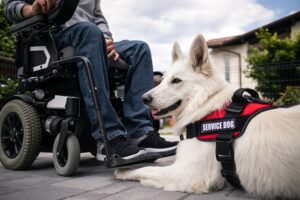
Mobility support dogs may retrieve dropped items, open doors, provide balance assistance, or help wheelchair users navigate daily life. Autism assistance dogs can help children maintain routines, reduce anxiety, and provide grounding during overwhelming situations. Psychiatric service dogs are increasingly being trained to assist individuals living with PTSD, anxiety disorders, or other mental health conditions by interrupting panic episodes, creating physical space in crowded areas, or alerting handlers to emotional distress before it escalates.
These dogs are not simply companions; They are task-trained working animals whose skills can significantly improve quality of life.
Understanding the Difference: Service Dogs vs. Emotional Support Animals
As the popularity of assistance animals has increased, so has public confusion surrounding the differences between service dogs and emotional support animals (ESAs).
While emotional support animals provide comfort through companionship, they are not individually trained to perform specific tasks related to a disability. Service dogs, on the other hand, undergo extensive training to perform precise behaviors that directly assist their handler.
For professional trainers, understanding these distinctions is essential. Clear education helps clients navigate expectations responsibly while protecting the integrity of legitimate service dog work.
Why the Industry Is Growing
Several factors are contributing to the increased demand for service dogs and qualified trainers:
- Greater awareness of mental health support options
- Expanded research into animal-assisted interventions
- Increased public understanding of invisible disabilities
- More veterans seeking PTSD support dogs
- Growing interest in autism assistance dogs for children and families
At the same time, many organizations that provide fully trained service dogs face long waitlists, creating opportunities for skilled trainers to work independently with clients and their dogs.
The Human Side of Training
Training a service dog requires far more than teaching obedience cues. These dogs must learn to remain calm under pressure, ignore distractions, work confidently in public environments, and respond reliably in emotionally charged situations.
Equally important is the relationship between the trainer, the dog, and the future handler.
Successful service dog trainers often combine technical skill with patience, empathy, adaptability, and strong communication abilities. Every client has unique needs, and no two service dog training journeys look exactly alike.
For many trainers, this work becomes one of the most rewarding paths within the animal profession. Watching a dog help a child feel safe in public, assist a veteran through a panic episode, or give someone greater independence can be profoundly meaningful.
Opportunities for Today’s Trainers
As demand continues to rise, trainers with specialized knowledge in service dog development may find opportunities in:
- Private training businesses
- Nonprofit service dog organizations
- Veteran support programs
- Autism assistance programs
- Therapy and behavioral support collaborations
- Continuing education and consulting
The field also continues to evolve alongside advancements in positive reinforcement training and ethical handling methods, creating exciting possibilities for professionals committed to humane, science-based approaches.
A Career That Changes Lives
For trainers passionate about both animal behavior and helping people, service dog work offers a unique combination of purpose and professional growth.
Behind every successful service dog team is a trainer whose dedication helped build trust, confidence, and communication between human and animal. As awareness grows and more individuals seek support, the need for educated, compassionate trainers will only continue to expand.
And for many people and pets alike, that training can truly change a life.