
Summer Safety Training Every Dog Should Know
By: The ABC Staff
Summer means longer days, more outdoor adventures, and more time with our dogs but it also brings real risks. Hot pavement, crowded events, open water, and rising temperatures can turn a fun outing into an emergency fast. As a pet professional, helping your clients (and their dogs) prepare for summer isn’t just good service; it can be lifesaving.
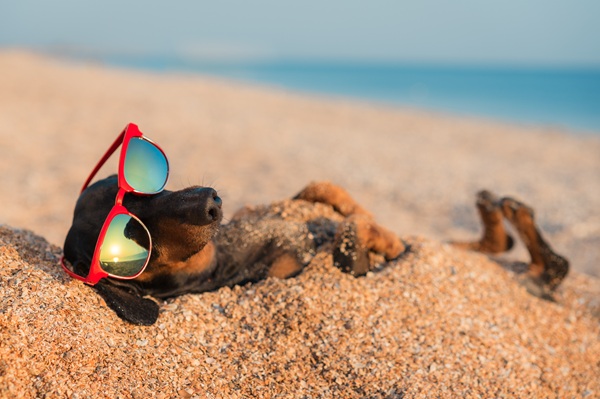
Here are five essential summer safety skills every dog should know, and every trainer should be reinforcing this season.
- Heat Safety Cues
Dogs can’t tell us when they’re overheating, so recognizing the early warning signs is critical. Heavy panting, drooling, bright red gums, lethargy, and stumbling are all signals that a dog’s body is struggling to cool down.
Training Tip: Teach clients to build in regular “check and rest” breaks during summer walks and outings, especially with brachycephalic breeds (like Bulldogs and Pugs), senior dogs, and thick-coated breeds who overheat more easily. A simple cue like “shade” or “rest,” paired with consistent practice, can help a dog learn to seek relief on command a great habit to reinforce during any warm-weather training session.
2. Emergency Recall Training
A rock-solid recall is one of the most important safety skills a dog can have, and summer is full of scenarios that put it to the test – a gate left open at a barbecue, a squirrel at the lake, kids playing in a nearby yard.
Training Tip: An “emergency recall” is different from an everyday “come” cue. It should be taught with an extra-special, high-value reward reserved only for this cue, practiced in increasingly distracting environments, and rewarded every single time, no exceptions. Encourage clients to practice this cue regularly through the summer months, when distractions and risks are at their peak.
3. Water Safety
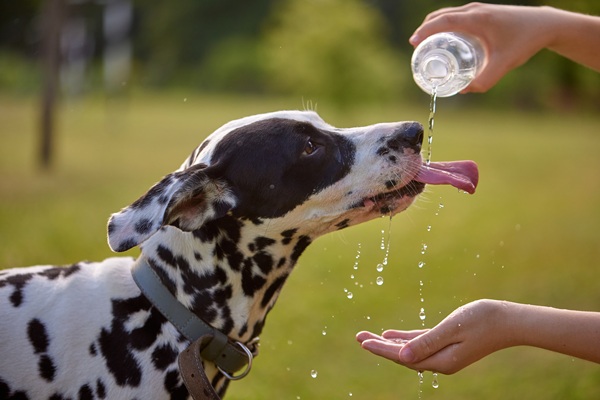
Not every dog is a natural swimmer, and even strong swimmers can get into trouble in open water, strong currents, or unfamiliar pools. Water safety training should cover:
- Introducing dogs to water gradually and positively, never forcing them in
- Teaching dogs where the pool steps or exit are located
- Using a well-fitted canine life jacket for boating, unfamiliar water, or dogs who are inexperienced swimmers
- Never leaving a dog unsupervised near open water, regardless of swimming ability
For dogs who love the water, a few short training sessions focused on calm entry and exit can make lake days and pool parties much safer.
4. Paw Protection on Hot Pavement
Asphalt and pavement can reach temperatures far higher than the air around them, and can burn a dog’s paw pads in seconds. A simple rule of thumb for clients: if it’s too hot to comfortably hold the back of your hand on the pavement for five seconds, it’s too hot for paws.
Training Tip: Get dogs comfortable with boot fitting and wear well before they need them many dogs need a few short, positive sessions to accept booties without pawing at them. If boots aren’t an option, encourage walks during cooler morning or evening hours and route planning that favors grass and shaded paths.
5. Public Behavior During Crowded Summer Events
Between outdoor festivals, farmers markets, patio dining, and neighborhood block parties, summer brings a lot more crowds… and a lot more opportunity for a dog to become overwhelmed, reactive, or lost in the chaos.
Focus training sessions on:
- A reliable “settle” or “place” cue for extended periods in busy environments
- Loose-leash walking through moderate foot traffic and noise
- Building tolerance gradually, starting with quieter outings before working up to crowded events
- Practicing “leave it” for dropped food, which is everywhere at summer gatherings
Dogs who haven’t been socialized to crowds and noise may do best observing busy events from a comfortable distance rather than being placed directly in the middle of them.
Building These Skills Into Your Training Practice
Summer safety isn’t a one-time lesson. It’s a set of habits built through consistent, positive training. As a pet professional, you’re in a unique position to help clients prepare their dogs before summer’s risks become emergencies, not after.
Consider offering a “Summer Safety” add-on session or client handout this season. It’s a simple way to reinforce your value, deepen client trust, and – most importantly – keep more dogs safe all summer long.