
Shorter Days, Shifting Routines:
How Daylight Saving Time Affects Animals
By: The ABC Staff
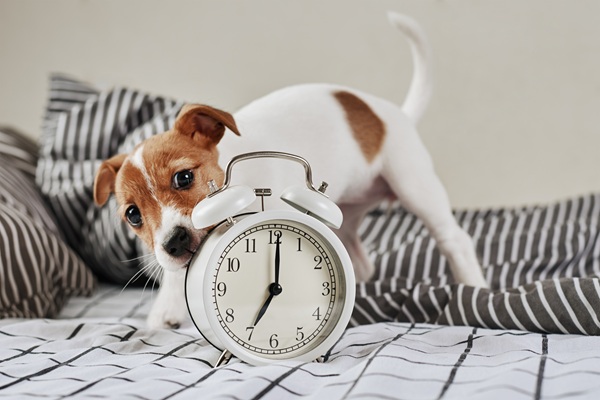 When the clocks fell back on November 1, most people simply enjoyed an extra hour of sleep. Pets, however, do not read clocks. They run on internal rhythms shaped by daylight, feeding times, and the daily habits of their people. A sudden one-hour shift, combined with darker evenings, can leave some animals confused, unsettled, or out of sync for days or even weeks.
For pet professionals, this is a great opportunity to help clients understand what their animals are experiencing and how to make the adjustment easier, both now and when the clocks spring forward again on March 14, 2027.
Why Time Changes Affect Pets
Animals rely on their circadian rhythm, an internal clock influenced mainly by light. Their routines also become closely tied to ours. A dog may expect breakfast the moment an alarm goes off, and a cat may know exactly when its person usually walks through the door.
When the clock changes, the household schedule shifts all at once, but the animal’s internal clock does not. Add in shorter daylight hours and colder weather, and many pets get less exercise, less outdoor time, and less mental stimulation than they did in summer.
Signs a Pet Is Struggling
Most pets adjust within a week or two, but clients may notice:
- Begging for meals early or waking the household before the alarm
- House-training accidents, especially in puppies, senior dogs, or dogs used to a precise potty schedule
- Restlessness, pacing, or attention-seeking in the evening
- Extra vocalizing or nighttime activity in cats
- Changes in appetite or energy
- Increased anxiety in pets who are already sensitive to change
Senior pets and animals with medical conditions may need extra attention, particularly if they take medication on a strict schedule. Clients should ask their veterinarian how to adjust medication timing safely rather than making a sudden change on their own.

Simple Ways to Ease the Transition
These tips are easy to share with clients, whether in conversation, a handout, or a quick social media post.
- Shift gradually. Before the next time change, move meals, walks, and bedtime by 10 to 15 minutes every day or two. By the time the clocks change, the pet is already on the new schedule.
- Keep routines consistent. Once the new schedule is set, stick to it. Predictability helps animals feel secure.
- Make the most of daylight. With darker evenings, a midday walk or play session can give dogs valuable sunlight and exercise.
- Prioritize visibility on dark walks. Reflective collars, leashes, harnesses, and clip-on lights help keep dogs and their people safe after sunset.
- Add indoor enrichment. Food puzzles, snuffle mats, short training sessions, and interactive play help make up for reduced outdoor time.
- Revisit potty schedules. Extra trips outside and reinforcement for going in the right spot can quickly get house-training back on track.
- Be patient. Most changes are temporary. Calm, consistent responses work far better than frustration.
Notes for Different Pet Pros
Trainers can treat schedule disruptions as a teaching moment. A dog who demands breakfast early or barks for attention in the evening may need help building patience and settling skills, and early-morning wake-ups should not be rewarded with food or attention.
Service dog trainers can remind handlers that working dogs may also need time to adjust, especially if their routine affects medication reminders or other time-related tasks.
Groomers and daycare providers may notice clients arriving at different times or pets acting a little off in the weeks after a time change. Small patience and flexibility go a long way.
Aquarium professionals can help clients set lights on timers. Many fish and plants do best with a consistent light cycle, and timers keep it steady no matter what the household clock says.
Zoo professionals already know that animal care teams work around the animals’ natural cues. Visitors often ask why animals are more or less active at different times of year, which makes this a great topic for educational talks.
Helping Clients Plan Ahead
The next time change is a perfect occasion to reach out to clients. A simple reminder a week or two before March 14, 2027, with tips for shifting routines gradually, adds value to your relationship and shows that you are thinking about their pets’ well-being year-round.
Note: A few areas, including most of Arizona and Hawaii, do not observe daylight saving time.

