
Cold Weather, Warm Care:
Adjusting Your Services for Winter
By: The ABC Staff
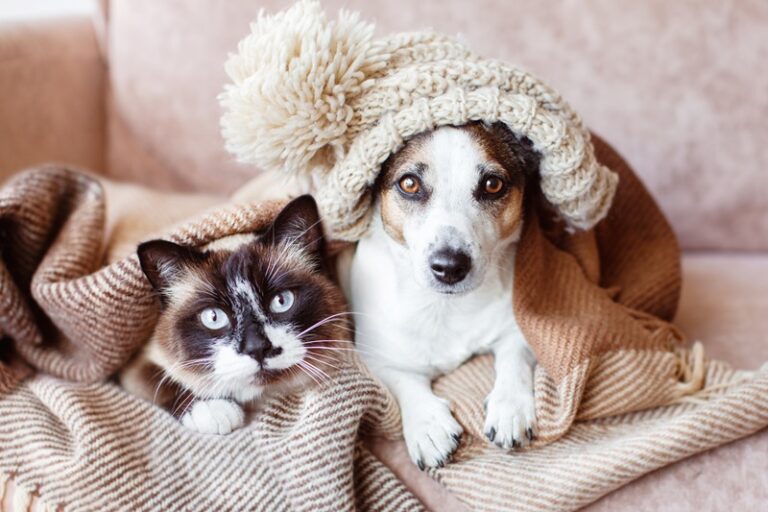
When temperatures drop, the animals in your care need a little extra thought. Whether you work with dogs, cats, fish, or zoo animals, winter changes how bodies hold heat, how equipment performs, and how much activity is safe. Small adjustments to your routine now can keep animals comfortable and healthy all season long.
For Groomers: Coats, Drying, and Paws
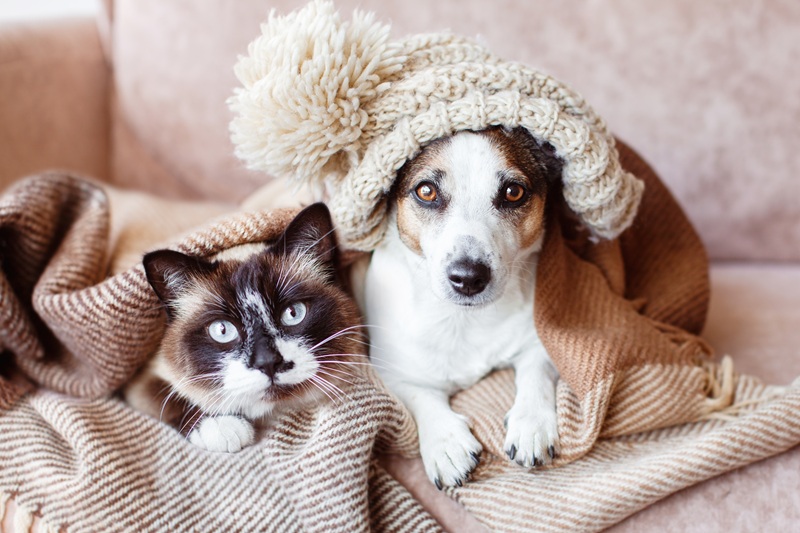
A pet’s coat is its built-in winter jacket, so grooming choices matter more this time of year.
- Dry thoroughly before pickup. A damp coat loses its insulating ability, and a pet sent out into freezing air while still wet can become chilled quickly. Build extra drying time into winter appointments, especially for thick or double-coated breeds.
- Think twice about full shave-downs. Unless matting makes it necessary, a longer trim helps pets stay warm. If a shave-down is the kindest option, recommend a sweater or coat and limited time outdoors until the hair grows back.
- Trim the hair between paw pads. Neatly trimmed pad hair reduces the ice balls and packed snow that form between toes, which can cause discomfort and small cuts.
- Watch for dry skin. Indoor heating can leave skin flaky and itchy. Moisturizing shampoos and conditioners can help, and less frequent bathing may be appropriate for some pets.
For Trainers: Shorter Sessions and Safer Walks
Outdoor training is still valuable in winter, but it needs a different approach.
- Keep outdoor sessions shorter in very cold weather, especially for small, short-coated, young, or senior dogs. Watch for shivering, lifting paws, slowing down, or trying to head home.
- Protect paws. Ice, salt, and chemical de-icers can crack and burn paw pads. Paw balm or dog booties help, and a quick wipe of the feet after every walk removes residue that dogs might otherwise lick off.
- Warm up first. Cold muscles are more prone to strain. A few minutes of easy movement before active work helps prevent injury.
- Move training indoors. Winter is a great time to focus on impulse control, mat work, scent games, trick training, and other skills that work well in smaller spaces. Indoor enrichment also helps burn energy on days when long walks are not possible.
Service dog trainers should also prepare teams for winter conditions: slick sidewalks, heavy coats that change how a handler moves, and crowded indoor holiday spaces. Make sure any boots or coats fit well and do not interfere with the dog’s gear or tasks.
Cat trainers can remind clients that outdoor and community cats often seek warmth near car engines. A quick knock on the hood before starting a car in cold weather can save a life.
For Aquarium Maintenance: Heaters and Temperature Checks
For fish and other aquatic animals, a stable water temperature is everything. Winter puts extra strain on aquarium equipment.
- Test every heater before the coldest weather arrives. Check that it turns on, holds its set temperature, and shows no cracks or damage.
- Use a separate thermometer. A heater’s built-in dial is not always accurate, so an independent thermometer helps confirm actual water temperature.
- Match water temperature during water changes. Cold tap water added straight to a tank can shock fish.
- Plan for power outages. Winter storms can knock out power for hours. Help clients prepare with battery-powered air pumps, and show them how to insulate a tank with blankets or towels to slow heat loss.
- Mind tank placement. Tanks near drafty windows, exterior doors, or heating vents can see bigger temperature swings than the rest of the room.
For Zookeeper Assistants: Cold-Season Husbandry
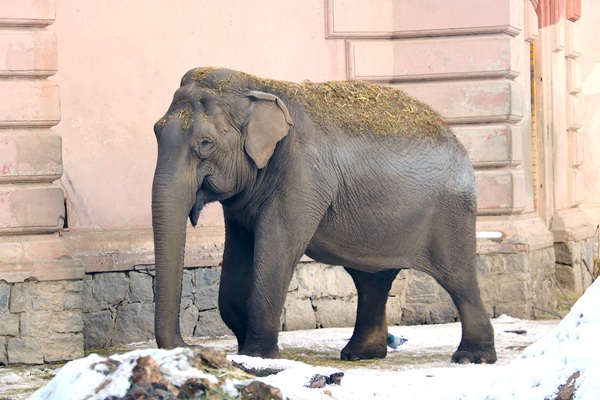
Zoo animals come from climates all over the world, so winter care looks different for every species. Common cold-season priorities include:
- Shelter and heated spaces for animals that need them, with careful monitoring so heat sources stay safe and do not cause burns.
- Water access that does not freeze. Heated waterers or frequent checks keep animals hydrated.
- Diet adjustments under the direction of animal care and veterinary staff, since some animals need more calories to maintain body condition in the cold.
- Footing and safety in exhibits and walkways, where ice can be a hazard for both animals and keepers.
- Indoor enrichment to keep animals active and engaged when they spend more time in holding areas.
For Veterinary Assistants: Know the Warning Signs
Veterinary assistants can help clients recognize cold-weather emergencies. Signs of hypothermia include intense shivering, weakness, lethargy, and pale or gray gums. Frostbite most often affects the ears, tail, and paws, and the skin may look pale, gray, or discolored. Antifreeze is another winter danger, since its sweet taste attracts pets and even small amounts can be deadly. Any suspected exposure needs immediate veterinary care.
A Season of Small Adjustments
Winter care does not require a complete overhaul of your services. A few extra minutes of drying time, a shorter walk, a heater check, or a quick reminder to a client can make all the difference. These thoughtful touches also show clients that you are paying attention to their animals’ comfort, which builds trust that lasts well beyond the season.

