Summer Grooming Risks Pet Professionals
Should Watch For
By: The ABC Staff
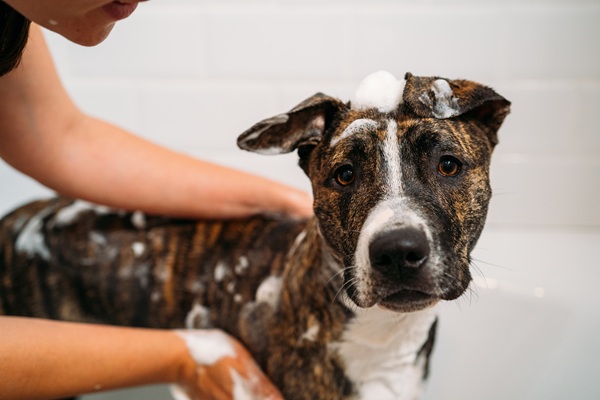
Summer brings a busy season to the grooming table – shed control, cooling trims, and clients eager to keep their dogs comfortable in the heat. But warmer months also bring a unique set of risks that every groomer needs to watch for. Here’s what to keep top of mind as you move through your summer client list.
1. Heat Stress
Grooming itself can be physically demanding for a dog, and summer heat raises the stakes. Dogs waiting in a warm car, a poorly ventilated grooming area, or even extended time on the table can start to overheat, especially brachycephalic breeds, seniors, overweight dogs, and thick-coated breeds.
Watch for early signs of heat stress: excessive panting, drooling, bright red or pale gums, lethargy, or reluctance to stand. Keep grooming spaces well-ventilated and cool, offer water breaks during longer appointments, and don’t hesitate to pause a session if a dog seems to be struggling. It’s also worth having a conversation with clients about never leaving a dog waiting in a parked car, even “just for a few minutes.”
2. Double-Coat Shaving Misconceptions
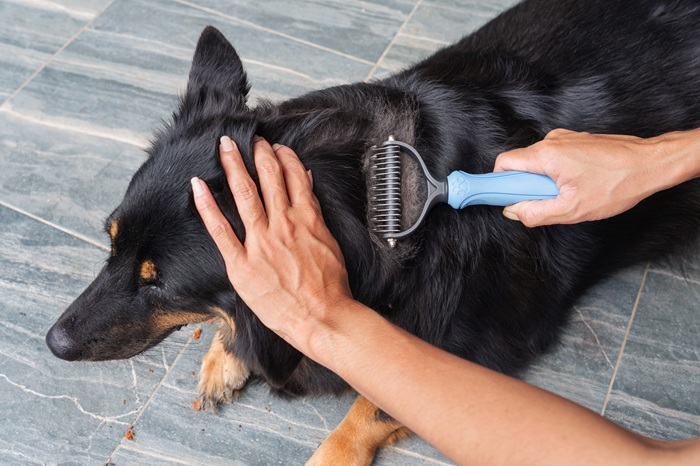
One of the most common summer requests – shaving a double-coated breed “to help them stay cool” – is also one of the most misunderstood. Breeds like Huskies, Golden Retrievers, and German Shepherds have a topcoat and undercoat that work together to insulate against both heat and cold, and to protect skin from sunburn.
Shaving a double coat doesn’t reliably cool a dog down, and it can:
- Increase the risk of sunburn and skin damage
- Disrupt the coat’s natural ability to regulate temperature
- Sometimes result in permanent coat changes or uneven regrowth
Instead, a thorough deshedding treatment and regular brushing to remove loose undercoat is generally the better route for keeping double-coated dogs comfortable in summer. This is a great opportunity to educate clients on the “why” behind your grooming recommendations. Most just want their dog to be comfortable and appreciate understanding the reasoning.
3. Flea & Tick Season
Warmer weather means flea and tick activity ramps up, and the grooming table is often where an infestation is first spotted. Groomers should be checking coat and skin closely during every summer appointment, particularly around the ears, armpits, and base of the tail.
If you find fleas, ticks, or evidence of them (like flea dirt), it’s important to know your salon’s protocol for safe removal and client communication. Encourage clients to stay current on their vet-recommended flea and tick prevention, and flag any findings so they can follow up with their veterinarian promptly.
4. Skin Irritation
Between increased outdoor time, more frequent bathing, and higher humidity, summer can be tough on a dog’s skin. Watch for redness, hot spots, excessive licking or scratching, and irritation in skin folds, especially on dogs who swim frequently or spend a lot of time outdoors.
Using gentle, appropriate shampoos, drying thoroughly (especially in skin folds and between paw pads), and avoiding over-bathing can go a long way toward preventing irritation. Any skin issue that looks infected, is spreading, or doesn’t improve should be flagged to the client for a vet visit rather than treated at the salon.
5. Senior Dog Grooming Precautions
Older dogs often need extra consideration during summer grooming appointments. They may have reduced heat tolerance, joint pain or arthritis that makes standing for extended periods difficult, and thinner, more sensitive skin that’s more prone to nicks or irritation.
A few adjustments can make a big difference:
- Shorter, more frequent grooming sessions rather than one long appointment
- Extra padding or support on the table
- Extra care and gentler restraint techniques around joints
- Closer monitoring for signs of fatigue or heat stress throughout the appointment
Building in a little extra patience and flexibility for senior clients not only keeps them safer, it builds trust with pet parents who appreciate the added care.
Staying Sharp All Season
Summer is one of the busiest (and highest-risk) seasons behind the grooming table. Staying alert to these five risk areas helps protect the animals in your care, reduces liability, and reinforces the professionalism that sets ABC-trained groomers apart. A few extra minutes of observation and a willingness to slow down when something seems off can make all the difference this season.

